A Scholar Is Born
Syed Abul A‘la Maududi was born on 25 September 1903 in Aurangabad, Hyderabad Deccan, into a family known for learning, spirituality and religious commitment.
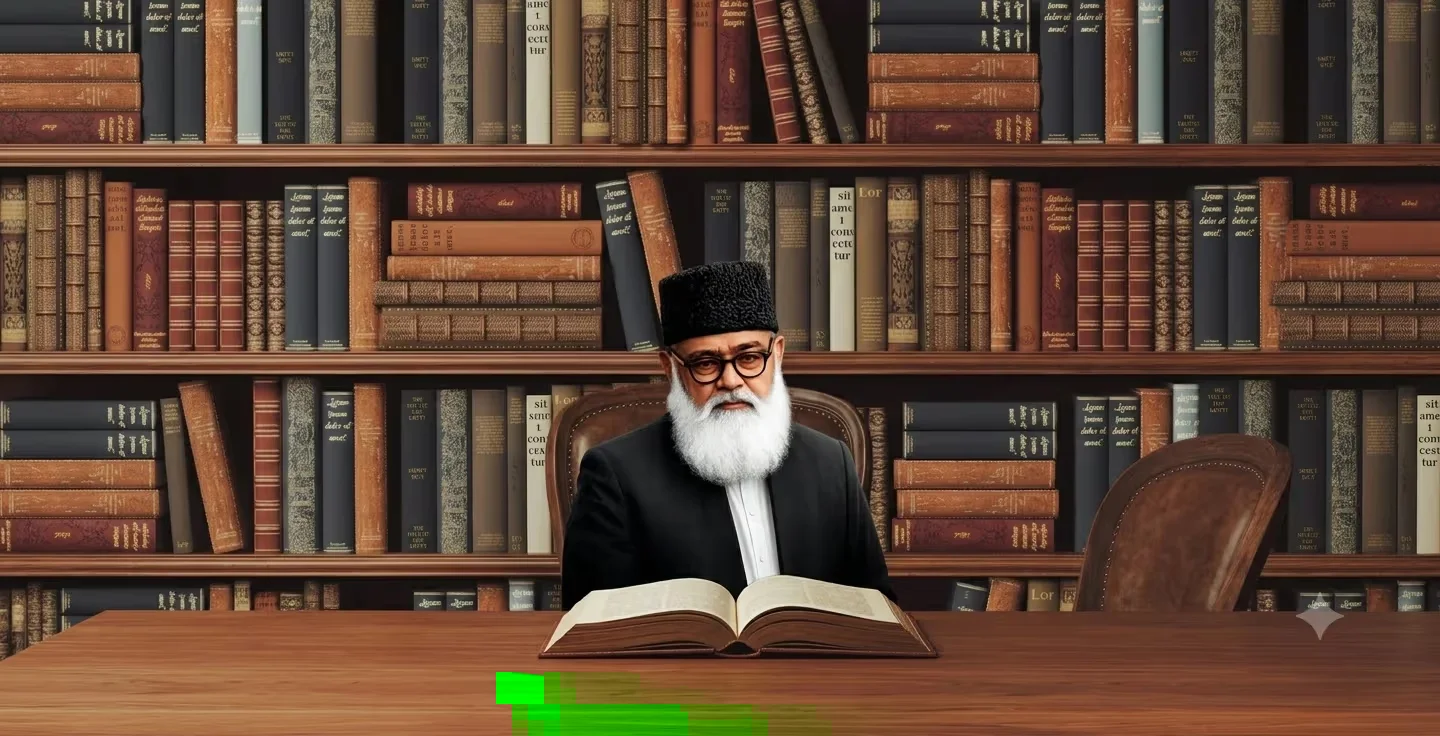
Syed Abul A'la Maududi stands among the most influential Islamic thinkers of the twentieth century. He was not merely a scholar, journalist, or political figure; he was a revivalist who rearticulated Islam as a complete system of life at a time when the Muslim world was intellectually fragmented and politically disoriented.
A time will, then, come when communism will live in fear of its very survival in Moscow itself, when capitalist democracy will shudder at the thought of defending itself even in Washington and New York, when materialist secularism will be unable to find a place even in the universities of London and Paris, when racialism and nationalism will not win even one devotee even among the Brahmans and Germans.
“مولانا سید ابوالاعلیٰ مودودی کے انتقال پر ملال کی روح فرسا خبر سن کر انتہائی صدمہ ہوا۔ اللہ تعالیٰ اپنے دین کے لئے ان کی اعلی خدمات کو قبول فرمائے اور انہیں جنت الفردوس میں جگہ دے۔”
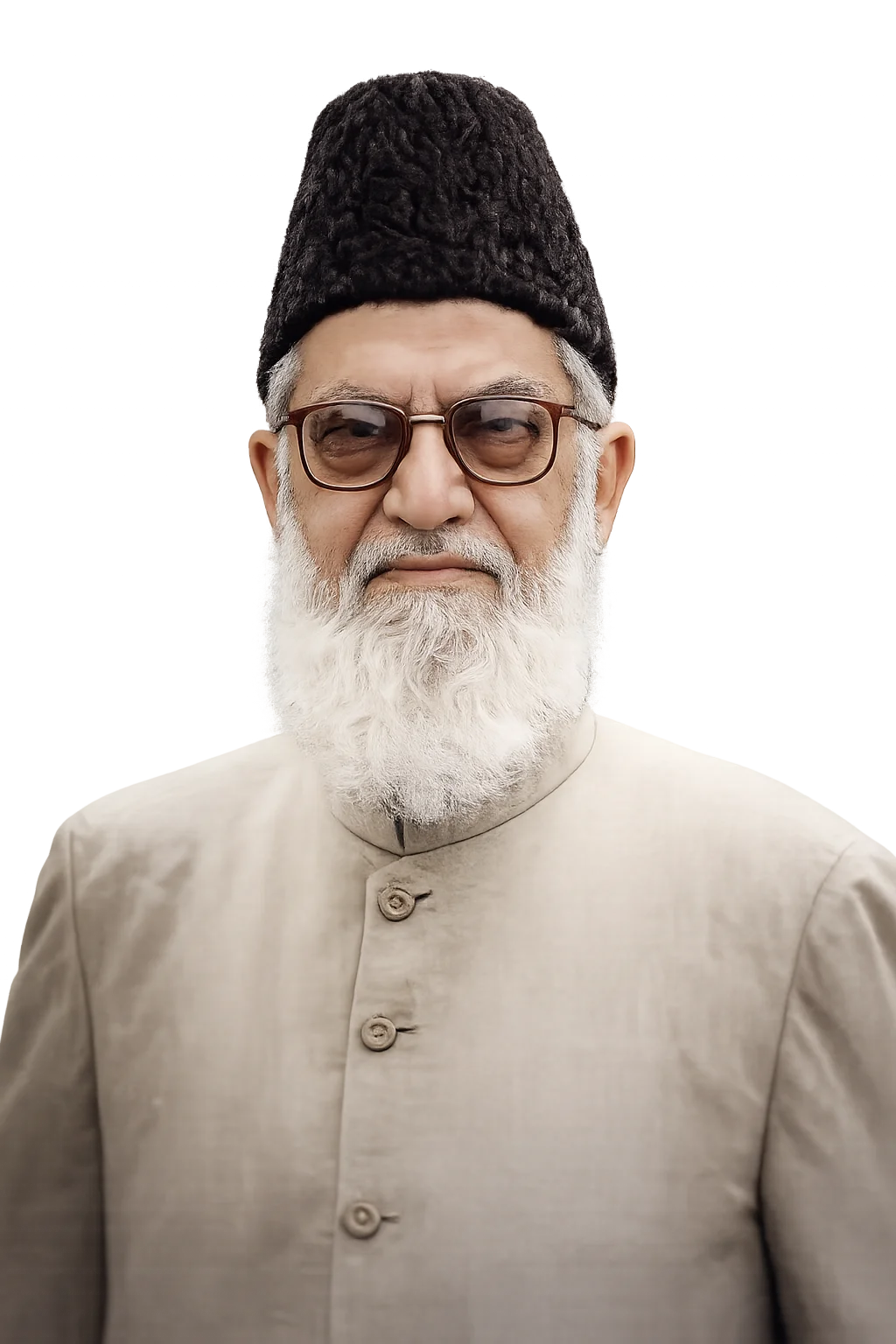
الشیخ عبدالعزیز بن عبداللہ بن باز
مفتیٔ اعظم سعودی عرب
“مولانا مودودی صاحب سے علمی دنیا پورے طور پر واقف ہو چکی ہے اور یہ حقیقت ہے کہ آپ اس دور کے متفکر اسلام اور ایک بلند پایہ عالم دین ہیں۔ یورپ سے الحاد و دہریت کا جو سیلاب ہندوستان میں آیا تھا قدرت نے اس کے سامنے بند باندھنے کا انتظام بھی ایسے ہی مقدس اور پاک طینت ہاتھوں سے کرایا ہے جو خود یورپ کے قدیم و جدید خیالات سے نہایت اعلیٰ طور پر باخبر و واقفیت رکھتا ہے نیز اس کے ساتھ ہی قرآن وسنت کا اتنا گہرا اور واضح علم رکھتا ہے کہ موجودہ دور کے تمام مسائل پر اس کی روشنی میں تسلی بخش طور پر گفتگو کر سکتا ہے یہی وجہ ہے کہ بڑے بڑے ملحدوں اور دہریوں نے اس شخص کے دلائل کے سامنے ڈگیں ڈال دی ہیں اور یہ بات واضح طور سے کہی جا سکتی ہے کہ مودودی صاحب سے ہندوستان اور عالم اسلام کے مسلمانوں کی بہت سی توقعات دینی وابستہ ہیں۔”
علامہ سید سلیمان ندوی
Director
“حیدر آباد سے "ترجمان القرآن" کے نام سے ایک بڑا اچھا رسالہ نکل رہا ہے۔ مودودی صاحب اس کے ایڈیٹر ہیں۔ میں نے ان کے مضامین پڑھے ہیں۔ دین کے ساتھ مسائل حاضرہ پر بھی نظر رکھتے ہیں۔ ان کی کتاب "الجہاد فی الاسلام" مجھے بہت پسند آئی ہے آپ کیوں نہ انہیں دالا لا اسلام آنے کی دعوت دیں۔ میرا خیال ہے وہ دعوت قبول کرلیں گے۔ اس "الجہاد فی الاسلام" کی سب سے بڑی خوبی یہ ہے کہ اس میں مولانا ابوالاعلیٰ مودودی نے معذرت خواہانہ لہجہ اختیار نہیں کیا بلکہ جنگ اور جہاد کے متعلق اسلام کے جو نظریات ہیں انہیں کسی تاویل یا تفسیر بے فروفربے سے پیش کیا ہے۔ اسلام کے نظریہ جہاد اور اس کے قانون صلح وجنگ پر مولانا ابوالاعلیٰ مودودی کی کتاب "الجہاد فی الاسلام" ایک بہترین تصنیف ہے۔ میں ہر ذہین علم آدمی کو مشورہ دیتا ہوں کہ وہ اس کا مطالعہ کرے۔”
علامہ اقبال
“آپ (مولانا مودودی) ایسی شخصیت کے مالک ہیں کہ ہم نے کم ہی ایسے باکمال دیکھے ہیں بلکہ آپ چند ممتاز خصوصیات کے لحاظ سے فرد واحد ہیں جس کی نظیر میں اس زمانے کے علماء میں نہیں پاتا۔ مثلاً حق کی حمایت میں نہایت سخت، مدافعت سے کوسوں دور، راہ حق میں ابتلاء ومحن کے وقت صبر و ثبات کے پیکر مجسم، حکام وقت کے تقرب سے متنفر، پاکستان اور ہندوستان کے جن فضلاء سے میں متعارف ہوا ہوں یا جن کے علم و فضل کے متعلق میری غائبانہ معلومات ہیں، آپ ان میں سب سے زیادہ تفقہ فی الدین رکھتے اور اسلام کے تاریخی وتشریعی حقائق پر بصیرت رکھنے والے ہیں۔ آپ معلومات کے سمندر ہیں۔ وقفہ سنج اور بلا کے ذہین ہیں۔ مسائل حاضرہ کو اسلامی اصول پر تطبیق دینے میں ماہر اور استنباط کی بے پناہ قدرت رکھتے ہیں اور اس معاملے میں ایک مستقل جدید طرز استدلال کے موجد ہیں۔ شریعت کے مزاج شناس اور اس کے بنیادی مقاصد کے روز آشنا ہیں اور جزئیات میں بلا ضرورت الجھے سے محترز، باریک بین، دوررس اور پیکر یقین ہیں جس کی جھلک آپ کے اعمال و کردار میں بصورت عزم و ثبات نمایاں نظر آتی ہے۔”
علامہ الشیخ بشیر الابراہیمی
الجزائر میں علماء کی تنظیم کے سابق سربراہ
“مجھے آج وہ وقت اور کیفیت یاد آتی ہے جب مئی ۱۹۵۳ء میں رائے بریلی میں ایک تقریب میں جا رہا تھا کسی نے انگریزی اخبار کے حوالے سے خبر سنائی کہ ”پاکستان کی فوجی عدالت نے مولانا مودودی کو سزائے موت کا حکم سنا دیا ہے۔“ مجھے پر اس واقعہ کا اتنا اثر ہوا اور دل پر اتنی چوٹ لگی کہ میں اس تقریب میں نہ بیٹھ سکا۔ وہ فضا اور کیفیت آج بھی مجھے اچھی طرح یاد ہے۔ بہر حال اللہ تعالیٰ نے انہیں اس وقت بچایا، اس سانحہ کے بارے میں میں یہ کہہ سکتا ہوں کہ یہ برصغیر کا حادثہ نہیں بلکہ عالم اسلام کا حادثہ ہے۔ مجھے آپ حضرات سے زیادہ معلوم ہے کہ عالم اسلام اور خاص طور سے نوجوانوں پر مولانا نے کتنا گہرا اثر ڈالا ہے۔ ہم امید کرتے تھے کہ اللہ تعالیٰ ان سے اور کام لے گا۔ مولانا نے ” پردہ“ اور ” حقوق الزوجین“ جیسی معرکتہ الآراء کتابیں بھی ہیں۔ میں آپ کے سامنے کھلے دل سے شہادت دیتا ہوں کہ علامہ اقبالؒ کے بعد شاید کسی نے بھی جدید ذہن پر اتنا گہرا اثر نہیں ڈالا جتنا کہ مولانا مودودی نے ڈالا۔ مولانا نے جدید نسل کے ذہن و دماغ پر اسلام کے عقلی ہونے کا اعتماد پیدا کیا اور یہ اعتماد پیدا کیا کہ اسلام دورِ حاضر کے مسائل حل کر سکتا ہے،”
مولانا سید ابوالحسن علی ندوی
Stand With Us
Maududi's legacy is not a relic of the past; it's a living intellectual inheritance shaping modern Islamic discourse and organizational culture. His writings and ideas continue to inspire students, leaders and activists today. Will you be a silent observer, or join the dialogue?
Born in 1903 and active as a journalist before becoming one of the most influential Muslim intellectuals of the twentieth century, Maududi built a body of thought that treated Islam as a complete framework for belief, morality, politics, and social order.
Syed Maududi’s influence extends far beyond Pakistan’s borders. His books, especially the 6-volume Tafhim-ul-Qur’an, have been translated into many languages and read worldwide. Leading Islamist thinkers in the Arab world took notice: even Egypt’s Hasan al-Banna and Sayyid Qutb studied his writings. In Iran, Ayatollah Khomeini met Maududi and helped bring his works into Persian circulation. By the mid-1960s, Maududi’s complete corpus was available in Turkey and influenced local scholars. Study circles at universities and madrasas — from Cairo to Madinah — have discussed his ideas. Several Western seekers also found guidance in his thought (for example, the American-born Maryam Jameelah and Jamaican-Canadian Dr. Bilal Philips). Even today, Islamist movements around the world echo Maududi’s terminology and goals. His intellectual presence remains alive: Jamaat’s international links and contemporary Is
Explore the Maududi Library, a curated collection of his intellectual and media legacy. Discover seminal works such as Tafhim-ul-Qur'an, Let Us Be Muslims, and Economic System of Islam, organized by theme for easy access. Browse select manuscripts, rare notes, and archival audio that reflect his voice and method.
نظامِ حیات کے لیے قرآنی ہدایات پر تفکر و تدبر اور تشریح۔
دستوری نظم اور اسلامی قانون پر مبنی تحریریں۔
حیات کے مختلف ادوار کی تصاویر اور نقوش۔
سماجی ساخت، ثقافت اور احیائے تمدن پر افکار۔
ایک عادلانہ اور غیر سودی معاشی نظام کی تشکیل۔
مکاتیب، یادداشتیں اور نجی کاغذات۔
تحریک کی تاریخ کے یادگار لمحات اور سنگِ میل۔
ریکارڈ شدہ خطابات، انٹرویوز اور قلمی مسودات۔
اصل مسودات اور شائع شدہ کتب کے سرورق۔
Inaugural address · Tarjuman-ul-Quran, August 1941
“The purpose of organizing faith into a dynamic movement is to ensure that personal piety does not remain a passive, isolated endeavor in our lives.”