75+
Founding Members
The purpose of organizing faith into a dynamic movement is to ensure that personal piety does not remain a passive, isolated endeavor in our lives. Instead, we must collectively strive to practically establish and uphold a faith-based system, while active and obstructing forces are removed from its path.The founding of Dar-ul-Islam [in March 1938] was the very first step taken in this direction, undertaken with just four companions. Though this modest beginning was widely dismissed at the time, praise be to Allah, we were never discouraged. We persevered relentlessly—inviting people toward the Islamic movement and laying the intellectual groundwork to prepare minds for its call. Throughout this period, our ranks grew steadily, joining us one by one, two by two.”
Tarjuman-ul-Quran. August 1941
Jamaat-e-Islami emerged when Muslims of the subcontinent were confronting colonial rule, Hindu majoritarianism, cultural subordination and uncertainty about their political future. Before Jamaat’s formation, Syed Maududi had challenged composite Indian nationalism through writings such as Mas’ala-e-Qaumiyat. He argued that Muslims were not merely a religious minority within one Indian nation, but a distinct ideological community with its own law, civilisation and collective purpose.
Jamaat did not become an organisational wing of the All-India Muslim League. Its concern went beyond territorial separation: any Muslim state had to be founded upon Islamic principles rather than secular nationalism. Even so, Syed Maududi’s critique of Congress nationalism and defence of separate Muslim nationhood strengthened the intellectual case for Pakistan. His writings circulated among Muslim League workers, and he was consulted among scholars discussing the constitutional principles of a future Islamic state.
Founded in 1941, Jamaat trained workers through Qur’anic study, tarbiyah, da‘wah and shura. During the violence of 1947, Dar-ul-Islam at Pathankot sheltered and evacuated about 8,000 Muslims. Maulana Maududi remained until the last refugees departed. After migration to Lahore, Jamaat workers immediately undertook relief, sanitation, medical assistance, burial and rehabilitation.
After Pakistan’s creation, Jamaat raised the question that would define its early struggle: would the new country become merely another postcolonial state, or would it reflect the Islamic aspirations for which Muslims had sacrificed? Under Maulana Maududi’s first Ameerate, Jamaat launched a peaceful constitutional campaign demanding recognition of Allah’s sovereignty, legislation within the Qur’an and Sunnah, and government authority exercised as a trust through the people.
In 1948, Imam Maududi addressed legal, academic and public gatherings on the practical enforcement of Islamic law. At Jahangir Park, Karachi, Jamaat launched its four-point demand, while five Radio Pakistan lectures explained Islam as a complete moral, social, economic and political order. The state responded by arresting Syed Maududi and closing Jamaat-associated publications.
The Objectives Resolution of 12 March 1949 affirmed that sovereignty belongs to Allah and authority is exercised through the people within His limits. Jamaat did not claim this achievement alone, but it had raised one of its clearest organised demands. In 1951, Maududi helped frame the consensus-based 22 Constitutional Points approved by thirty-one leading scholars. Continued mobilisation helped secure the 1956 Constitution’s declaration of Pakistan as an Islamic Republic.
The Machhi Goth convention of 1957 marked Jamaat’s formal turn toward electoral participation while preserving tarbiyah, da‘wah and social reform. Electoral politics was accepted as one avenue within a larger peaceful, constitutional struggle for justice and Islamic reconstruction.
When General Ayub Khan imposed martial law in 1958, Jamaat opposed dictatorship and endured bans, arrests and restrictions. Ameer-e-Jamaat Maulana Maududi supported Madar-e-Millat Fatima Jinnah in the 1965 presidential election, placing democracy and constitutional rule above narrower political calculations. At the same time, opposition to Ayub never weakened Jamaat’s loyalty to Pakistan. During the 1965 war with India, Syed Maududi publicly supported national defence and addressed the country through Radio Pakistan.
Throughout the 1960s, Jamaat defended the constitutional authority of the Sunnah, challenged secularism and socialism, and resisted misuse of state power. At the 1963 Lahore congregation, worker Allah Bakhsh was martyred while Syed Maududi survived an armed attack.
In 1970, Jamaat fielded 151 candidates across East and West Pakistan, received about six percent of the vote and won four National Assembly seats. During the 1971 crisis, its eastern workers opposed separation and stood for Pakistan’s unity; many lost their lives.
When Syed Maududi stepped down because of illness in 1972, Jamaat peacefully elected Mian Tufail Muhammad as its second Ameer. A founding-era worker, he represented continuity, organisational discipline and fidelity to Jamaat’s principles while rebuilding the movement after the trauma of 1971.
During the 1970s, Jamaat resisted the authoritarian tendencies of Zulfikar Ali Bhutto’s government and joined the struggle for fair elections and constitutional government. Its workers faced imprisonment and political violence. Jamaat defended the Islamic provisions of the 1973 Constitution and supported measures that strengthened Pakistan’s ideological identity.
After the disputed 1977 elections, Jamaat became part of the Pakistan National Alliance movement. Under the succeeding military regime, its relationship with the state included limited cooperation and principled disagreement. Jamaat entered government to advance Islamisation, education and reform, but retained its independent organisation and withdrew after only nine months.
The Soviet invasion of Afghanistan in 1979 opened another front. Jamaat supported the Afghan resistance, welcomed refugees and mobilised political, humanitarian and public assistance, viewing the struggle as both Afghanistan’s liberation and defence of Pakistan’s western frontier. It also continued steadfast support for Kashmiris’ right to self-determination, regarding Kashmir as an unfinished question of Partition.
The election of Qazi Hussain Ahmad as the third Ameer in 1987 began a period of mass outreach. He carried Jamaat’s message beyond established organisational circles and sought to transform it into a broad people’s movement. His Caravan-e-Da‘wat-o-Mohabbat, nationwide tours and direct engagement with workers, youth and ordinary families gave Jamaat a new public energy.
Qazi Hussain Ahmad became one of Pakistan’s most recognisable voices for Kashmir, Afghanistan, Palestine and Muslim unity. Jamaat supported resistance to Soviet occupation, later encouraged reconciliation among Afghan groups, and stood with Kashmiris facing repression under Indian occupation.
Within Pakistan, Jamaat participated in alliances while preserving its ideological identity. It became a major component of the Muttahida Majlis-e-Amal, which achieved significant electoral success in 2002. Jamaat’s ministers and legislators were widely associated with clean administration and accessibility. The movement opposed General Pervez Musharraf’s military rule, constitutional distortions and external subordination after 2001. It joined campaigns for parliamentary sovereignty, restoration of judges and judicial independence.
In Karachi, Mayor Naimatullah Khan demonstrated Jamaat’s urban governance model through roads, parks, transport and municipal development. Meanwhile, Alkhidmat and Jamaat volunteers expanded relief, orphan care, water, health, education and rehabilitation during earthquakes, floods and displacement.
Syed Munawar Hasan, elected as Jamaat’s fourth Ameer in 2009, was known for uncompromising principle and a personal simplicity approaching asceticism. His public positions reflected the discipline of his private life: clarity of conviction, independence from personal interest and refusal to trade principle for temporary advantage.
Having emerged from intellectual work and decades of organisational service, he gave Jamaat a firm ideological voice. Under his leadership, it opposed corruption, drone attacks, American military influence, erosion of sovereignty and economic policies that protected elites while burdening citizens. A major decision of his tenure was Jamaat’s return to independent electoral politics. In the 2013 general election, it contested nationwide under its own name, flag and electoral symbol, its first such national campaign since 1970. This reasserted Jamaat’s distinct political identity.
Jamaat also continued to defend constitutional government, civilian supremacy, Kashmir, Palestine, Afghanistan and the wider Ummah. Alongside politics, it remained active in flood relief, education, healthcare and community service.
Siraj-ul-Haq’s election as the fifth Ameer in 2014 brought grassroots political and provincial governance experience into Jamaat’s national leadership. Coming from a modest background in Dir, he framed politics as a struggle between a privileged ruling elite and ordinary Pakistanis.
His campaigns focused on corruption, unemployment, inflation, interest-based debt, unequal taxation and the exclusion of youth. Jamaat expanded youth engagement, sustained nationwide mobilisation and participated in political alliances without abandoning its organisational identity. Under Siraj-ul-Haq, Jamaat continued to defend constitutional government, Islamic economic principles, Kashmir, Palestine and an independent foreign policy. It also raised public concerns over rising utility prices, debt dependence and the declining ability of ordinary families to meet basic needs.
The welfare dimension of the movement expanded further. Alkhidmat responded to floods, earthquakes, the COVID-19 pandemic and humanitarian crises within and beyond Pakistan. Its orphan-care programmes, hospitals, laboratories, ambulances, clean-water schemes, schools and disaster-relief operations became one of the country’s most extensive voluntary-service networks. This period strengthened Jamaat’s claim that political reform must be accompanied by continuous, organised service to people.
In 2024, Jamaat elected Hafiz Naeem ur Rehman as its sixth Ameer. His journey from student leadership and Karachi’s civic politics to national office reflects Jamaat’s ability to produce leadership through organisation, training and service rather than family inheritance.
The present phase seeks to build a broad people’s movement against elite capture, feudal dominance, expensive energy, unjust taxation, weak local government and dependency-based politics. Hafiz Naeem has placed particular emphasis on renegotiating unjust IPP agreements, reducing electricity, gas and fuel burdens, taxing privileged and feudal sectors, and protecting salaried and middle-income families.
He has also made empowered local government and protection of democratic mandates central national questions. His programme contrasts political cash dependency with education, skills, employment and technological capability. Bano Qabil is being expanded across Pakistan with the target of training two million young people in digital and professional skills.
Jamaat-e-Islami's answer is not another cycle of slogans, loans, and elite bargains. It is a structured national programm spanning eight interlocking areas each one essential
Our call is for a complete transformation of human life in accordance with the guidance of Allah. It seeks to reform the individual, purify society, establish justice, organize collective life on moral foundations and bring every sphere of human activity under willing obedience to the Creator.
Read moreIn a landscape of dynastic politics and ethnic division, Jamaat-e-Islami stands firm on principle. We are the only ideological party in Pakistan, bound by faith rather than bloodline.
Read MoreThe enduring strength of Jamaat-e-Islami lies in a mission greater than any individual. Its leadership exists to carry forward the responsibility of da‘wah, tarbiyah, Iqamat-e-Deen, public service and constitutional struggle.
Read MoreThe digital sphere shapes ideas, behaviour and public life. Jamaat-e-Islami believes technology should serve more than entertainment or personal advancement. Guided by faith, ethics and social responsibility, it can strengthen da‘wah, education, public service and national reform.
Writers, designers, developers, researchers, cybersecurity professionals, data analysts, filmmakers, translators and digital strategists can all contribute their expertise to Iqamat-e-Deen and the service of society.
Technology does not replace personal connection, community organisation or traditional da‘wah. It expands their reach and strengthens their impact.
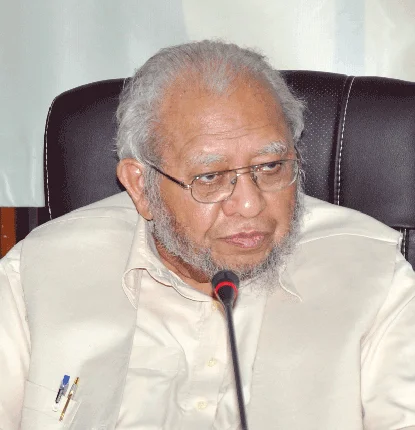
The Intellectual Heir of Syed Maududi and a Pillar of the Global Islamic Movement
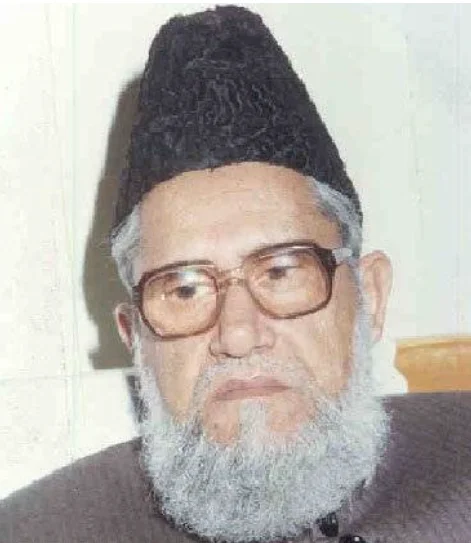
The Organiser, the Mujahid of Discipline, and the Second Ameer of Jamaat-e-Islami Pakistan
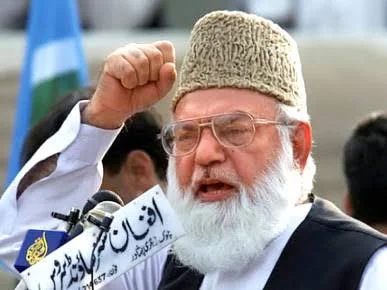
A Life Given to Dawah, Unity, and the Muslim Ummah
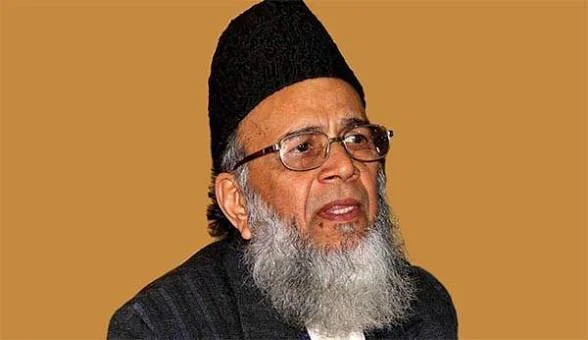
The Scholar-Orator, the Dervish Politician, and the Fourth Ameer of Jamaat-e-Islami Pakistan
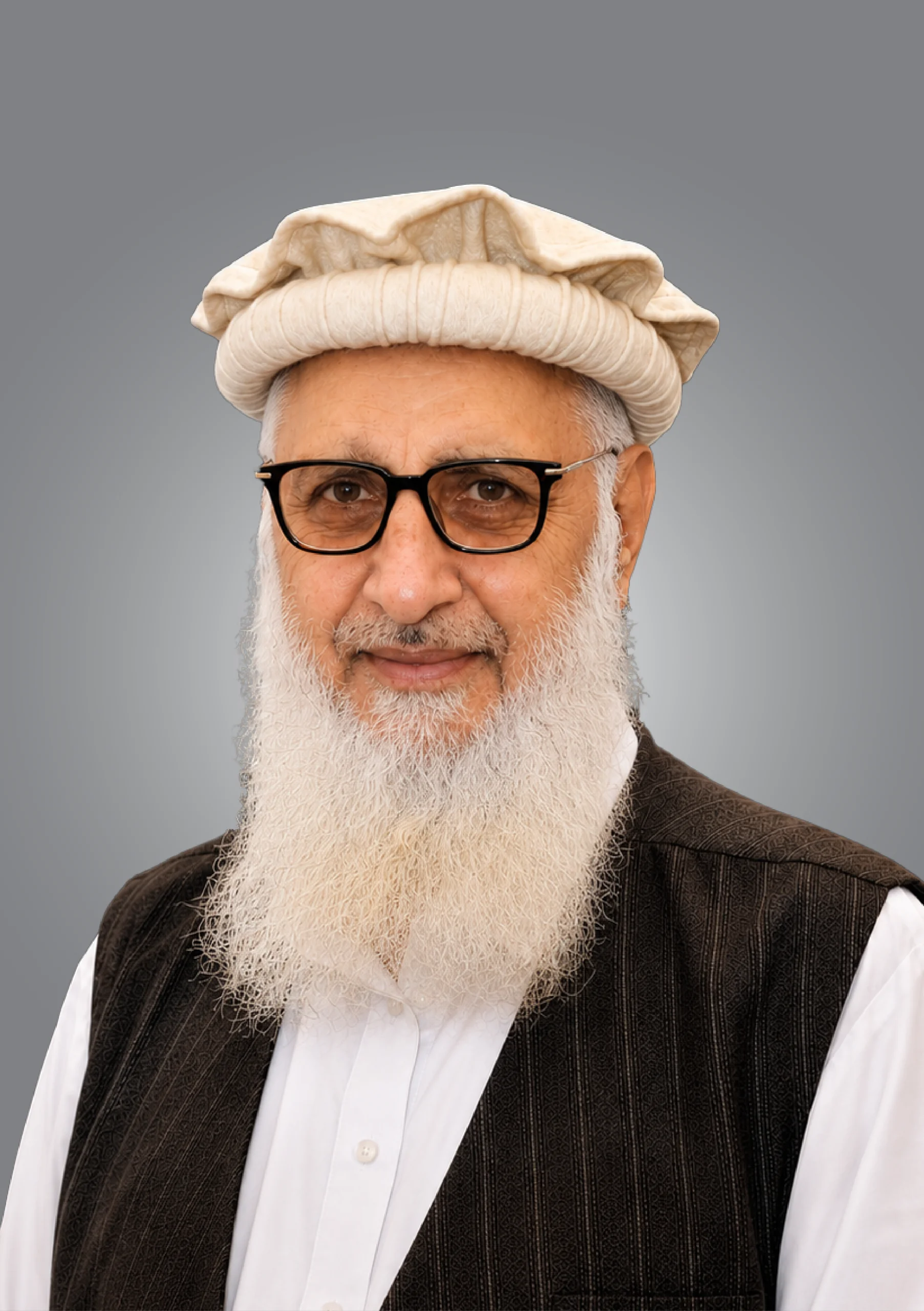
Naib Ameer of Jamaat-e-Islami Pakistan.
The Intellectual Heir of Syed Maududi and a Pillar of the Global Islamic Movement
The Organiser, the Mujahid of Discipline, and the Second Ameer of Jamaat-e-Islami Pakistan
A Life Given to Dawah, Unity, and the Muslim Ummah
The Scholar-Orator, the Dervish Politician, and the Fourth Ameer of Jamaat-e-Islami Pakistan
Naib Ameer of Jamaat-e-Islami Pakistan.

Healthy Families, Stronger Nation

A Proven Record of Honesty and Delivery
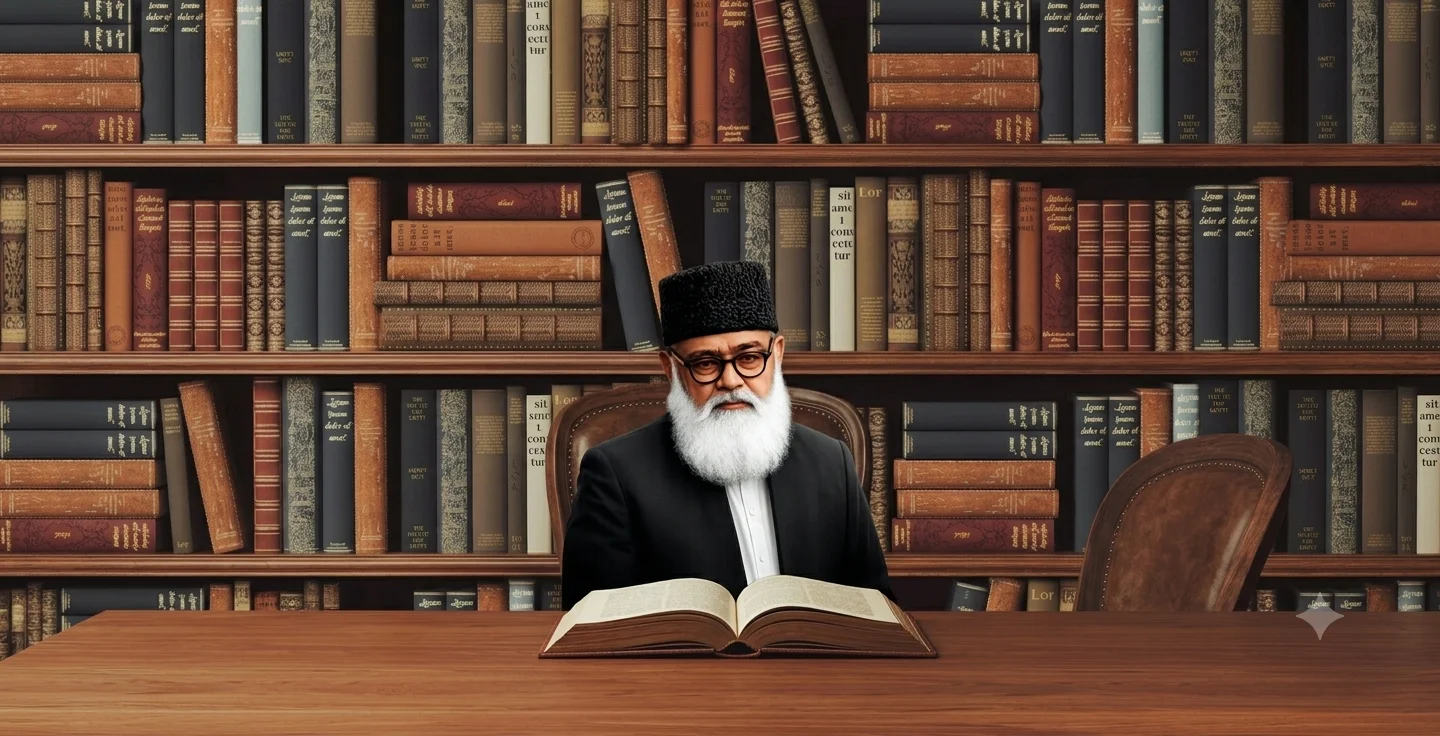
Founder of Jamaat-e-Islami
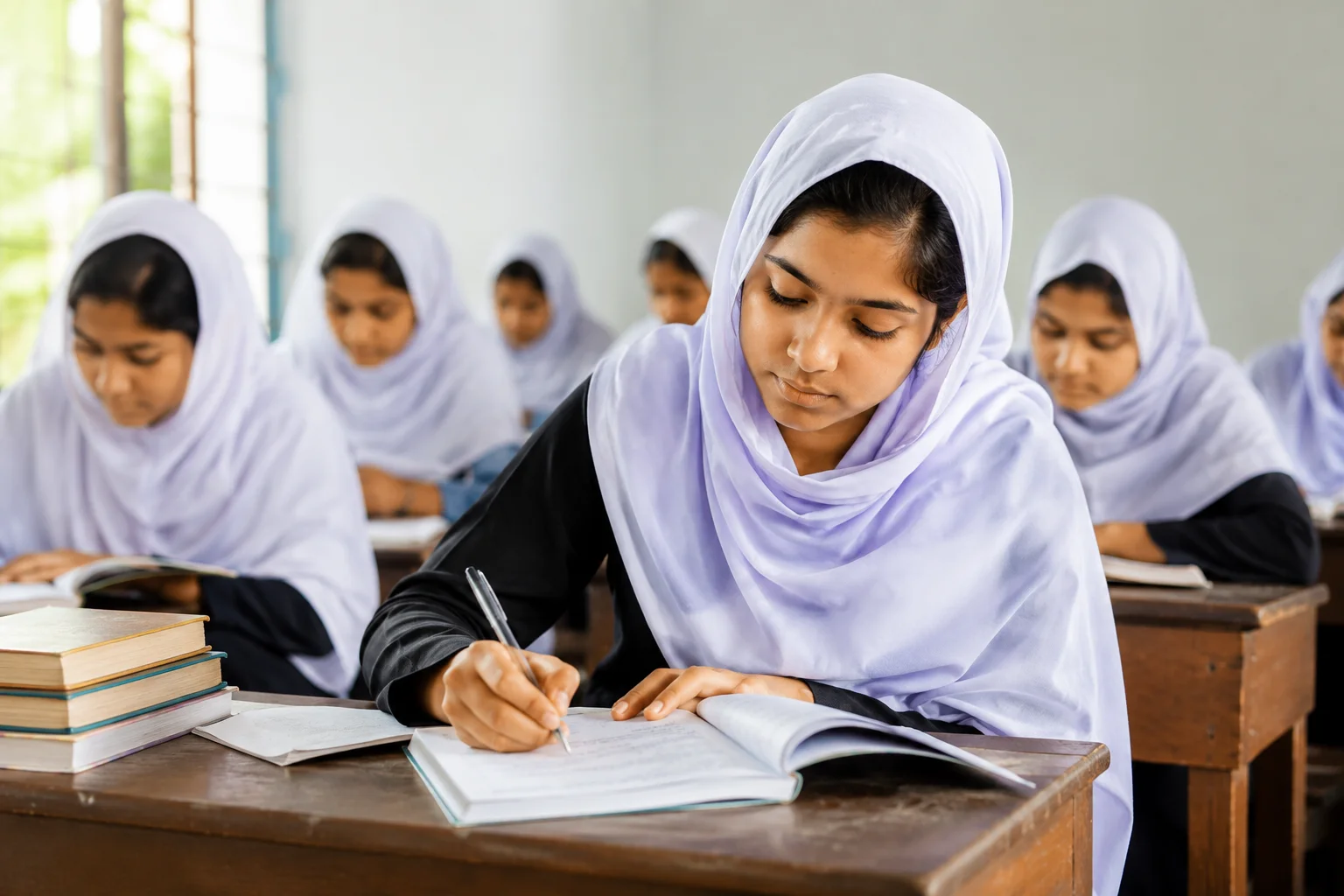
The Vanguard of Change
Knowledge, Character, and Opportunity for All
Learn. Earn. Lead. Serve.

Youth Engagement Portal
